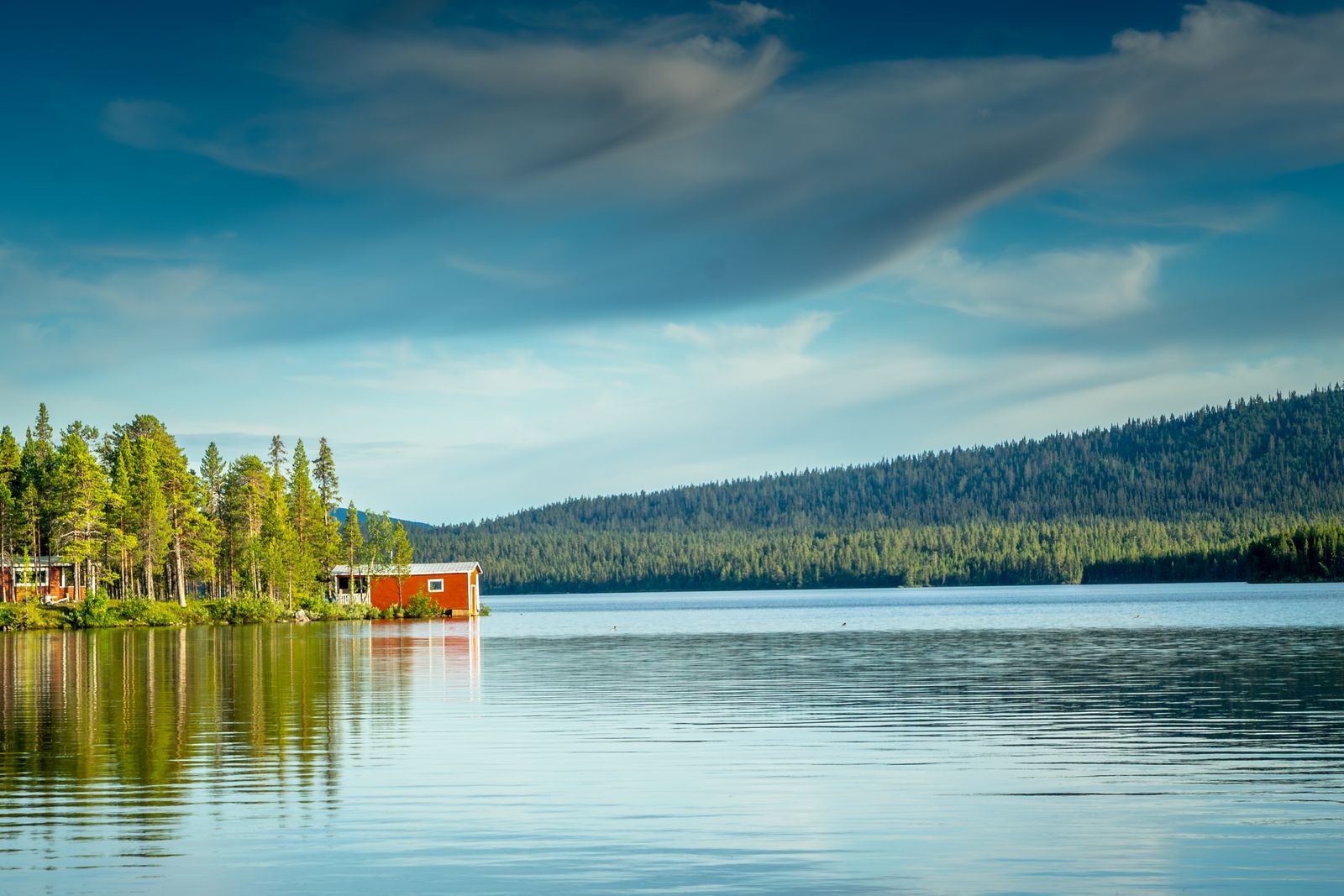
One of the most remarkable things about Sweden is that almost all of its nature is open to everyone. The right of public access, known as allemansrätten, lets you walk, cycle, swim, pick berries and even camp across most of the countryside, regardless of who owns the land. It comes with responsibilities, summed up in a single principle, and it shapes the entire experience of travelling here.
What allemansrätten means
The right of public access is a freedom protected in the Swedish constitution. It allows anyone, including visitors, to roam freely in forests, fields, mountains and along shores, to swim and paddle in lakes and the sea, and to spend a night in the open. In return you must respect nature, wildlife, landowners and other people. The official summary from the Swedish Environmental Protection Agency, Naturvårdsverket, captures it in five words: do not disturb, do not destroy.
What you may do
- Walk, ski, cycle and ride across most natural land, even privately owned forest and open country
- Swim and travel by boat almost anywhere, and come ashore on most beaches and shores
- Pick wild berries, mushrooms and most flowers for your own use
- Pitch a tent for a night or two on uncultivated land away from homes
- Light a small fire when conditions are safe and no fire ban is in force
What you must not do
- Cross or stay on private gardens, the land immediately around a house, or cultivated fields
- Disturb people who live nearby, or pitch your tent within sight of their home without asking
- Damage trees, bushes or crops, or leave any litter behind
- Disturb wildlife, livestock or birds, especially during the spring nesting season
- Light a fire on bare rock, which can crack, or during a fire ban
- Pick protected plants, take birds’ eggs, or drive off road
The golden rule
If you remember nothing else, remember the principle behind allemansrätten: do not disturb, do not destroy. Leave every place as you found it, take all your rubbish with you, and treat the land as if it were lent to you by a generous neighbour.
Camping responsibly
You may pitch a single tent for one or two nights on uncultivated land, well away from the nearest house and out of sight where possible. For larger groups or longer stays you should ask the landowner. Choose hard ground over fragile vegetation, use a camp stove rather than an open fire where you can, and carry out everything you bring in. This freedom is what makes Sweden such a paradise for hikers, paddlers and wild swimmers.
Where the rules are different
The right of public access is more limited in some protected areas. Sweden has thirty national parks, managed to preserve fragile landscapes, and many nature reserves, where extra rules may restrict camping, fires, dogs or where you can walk. Always check the signs and the official information at the entrance. You can find each park’s specific rules through Sweden’s national parks.
Why it matters for your trip
Allemansrätten is the reason you can swim from a rock in the Stockholm archipelago, pick blueberries on a forest walk, or hike for days through the wilderness of Swedish Lapland. Understanding and honouring it will make your visit richer and keep this extraordinary freedom alive for those who come after you. For more practical planning, see our guide to planning a trip to Sweden.