If you want to understand Sweden, time your visit around midsummer. For one weekend in late June the whole country empties into the countryside to raise a flower crowned maypole, dance, eat and celebrate the longest, brightest days of the year. This guide explains midsummer and the other traditions that shape the Swedish calendar.
Midsummer, the high point of the year
Midsummer, or midsommar, is arguably more important to Swedes than Christmas. It is celebrated on the Friday between the nineteenth and twenty fifth of June each year, when the sun barely sets in the south and never sets at all in the north. Families and friends gather, usually in the countryside or by the water, for a day of food, flowers and ritual.
The maypole and dancing
The centrepiece is the midsommarstång, a maypole wrapped in birch leaves and wild flowers and raised in a meadow. People join hands and dance around it to traditional songs, the most famous being Små grodorna, the little frogs, in which everyone hops about imitating frogs. It is gloriously silly and warmly welcoming to visitors.
The food
The midsummer table centres on new potatoes with dill, pickled herring, gravlax, sour cream and chives, washed down with schnapps and traditional drinking songs. Dessert is the first strawberries of the season with cream. These are the same dishes we describe in our guide to Swedish food and fika.
Flowers and folklore
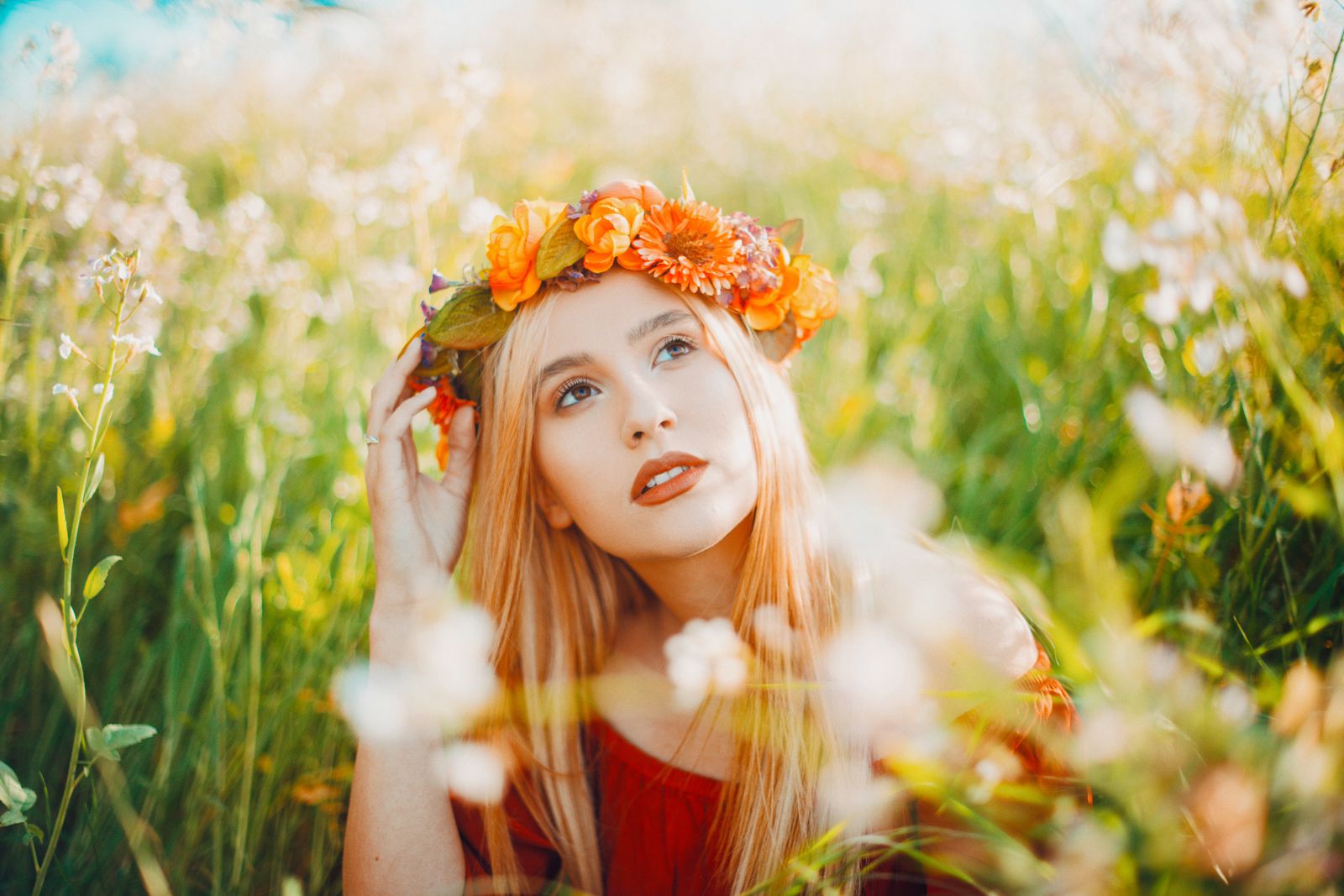
Many people wear a crown of wild flowers, and an old tradition holds that if you pick seven different flowers in silence and place them under your pillow, you will dream of your future love. Where to celebrate as a visitor? The open air museum Skansen in Stockholm and the region of Dalarna, the spiritual home of Swedish folk tradition, both hold large public celebrations.
Other Swedish traditions through the year
Lucia, the festival of light
On the thirteenth of December, in the darkest part of winter, Sweden celebrates Saint Lucia. A girl crowned with candles leads a white robed procession singing by candlelight, accompanied by saffron buns called lussekatter and ginger biscuits. It is a hauntingly beautiful counterpoint to midsummer’s bright joy.
Crayfish parties
In August, Swedes hold kräftskiva, outdoor crayfish parties under paper lanterns, wearing party hats and bibs while eating boiled crayfish and singing. It marks the end of summer.
Easter and Walpurgis
At Easter, children dress as friendly witches and homes are decorated with feathers and birch twigs. On the last evening of April, Walpurgis Night, or Valborg, communities light huge bonfires and sing to welcome spring.
The Swedish celebration calendar
- Late April: Walpurgis bonfires welcome spring
- Late June: midsummer maypoles and flower crowns
- August: crayfish parties
- 13 December: Lucia, the festival of light
Planning around the traditions
A word of warning: on midsummer’s eve much of Sweden closes down, with shops, restaurants and even some transport running on holiday timetables. Plan ahead, book accommodation early, and ideally get yourself invited to a celebration or join a public one. For the official overview of Swedish holidays, see Visit Sweden, and read our broader advice on planning a trip to Sweden.