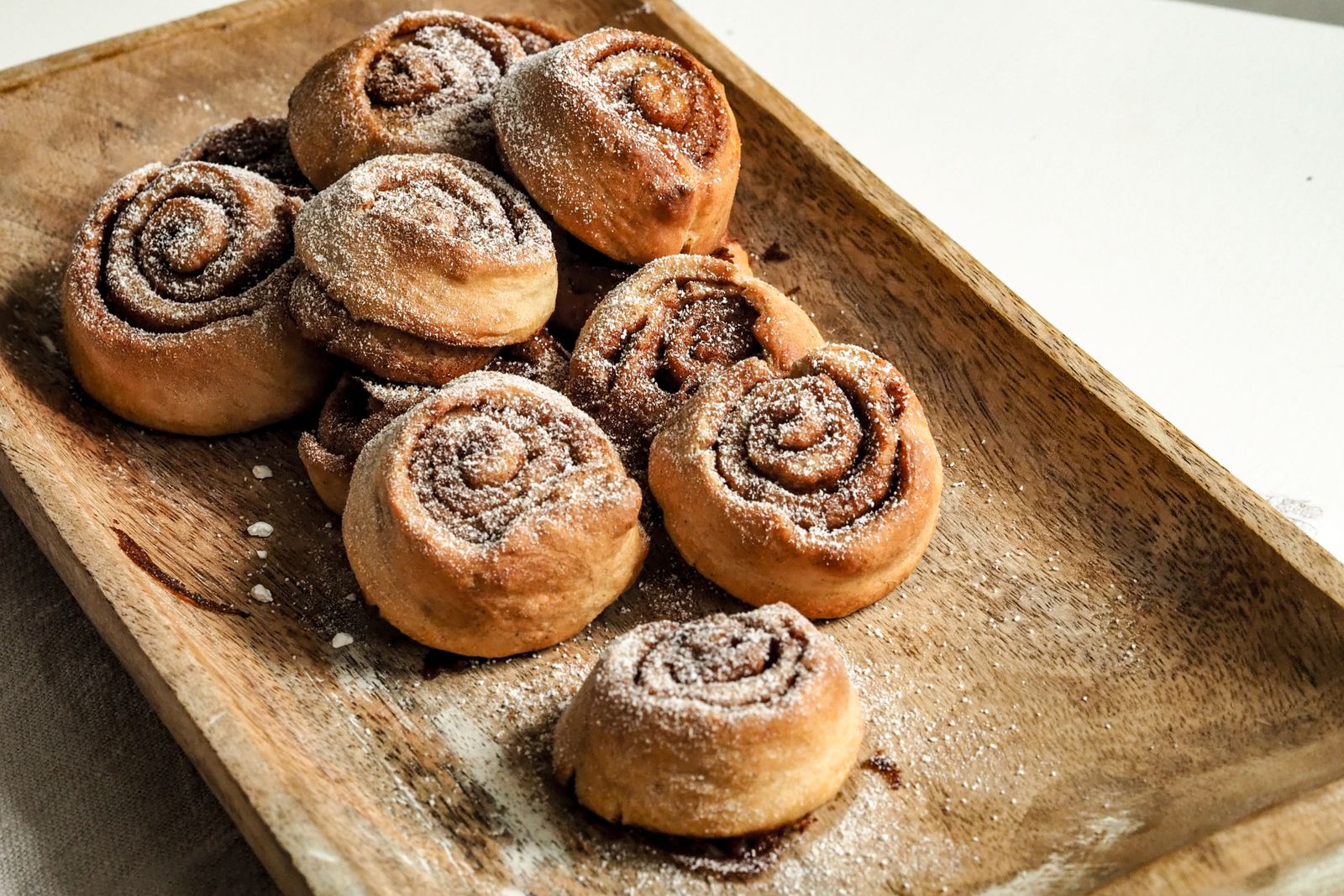
Swedish food is built around fresh, seasonal ingredients, the bounty of the forest and the sea, and a deep love of bread, dairy and coffee. For visitors it is approachable, comforting and easy to find, from a humble cinnamon bun to a full smörgåsbord. This guide explains what to eat, where to find it, and the daily ritual that holds it all together: fika.
What is fika
Fika is the most important word a visitor can learn. It is both a noun and a verb, meaning to pause for coffee and something sweet, usually with company. Swedes fika at home, at work and in cafes, often more than once a day, and it is treated as a genuine break rather than a quick takeaway. The classic accompaniment is the kanelbulle, a cardamom scented cinnamon bun, but any cake or biscuit will do. To fika like a local, sit down, slow down, and never rush it.
Dishes to try
Köttbullar, the meatballs
Swedish meatballs are smaller and more delicate than many visitors expect, served with creamy gravy, lingonberry jam and either mashed potato or pressed cucumber. They are the national comfort dish, found everywhere from cafes to the famous furniture store cafeterias.
Seafood and herring
With a long coastline, Sweden has a rich seafood tradition. Pickled herring, or sill, appears at almost every festive table in many flavours, while the west coast supplies prawns, mussels and oysters. Toast Skagen, a creamy prawn salad on fried bread, is a restaurant staple worth seeking out.
Räksmörgås and open sandwiches
The räksmörgås is a generous open prawn sandwich piled with egg, mayonnaise and dill, often a meal in itself. Open faced sandwiches in general are a Swedish art form and a good, quick lunch.
Gravlax and salmon
Gravlax is salmon cured with salt, sugar and dill, served thinly sliced with a sweet mustard sauce. It is one of Sweden’s best known exports and tastes far fresher at its source.
The smörgåsbord
The smörgåsbord is a lavish buffet of many small dishes, eaten in a set order: first the herring and fish, then cold cuts, then warm dishes, then dessert. The Christmas version, the julbord, is the grandest meal of the Swedish year. If you visit in December, booking a julbord is one of the most memorable things you can do, and it ties closely to the traditions we describe in our guide to midsummer and Swedish customs.
Sweet things and treats
Beyond the cinnamon bun, look for the kardemummabulle, its cardamom cousin, and the green marzipan princess cake, or prinsesstårta. The Swedes even have a national sweet day each Saturday, lördagsgodis, when children and adults alike stock up on pick and mix candy.
A taste checklist
- Kanelbulle with a coffee, the essential fika
- Köttbullar with lingonberry
- A räksmörgås prawn sandwich for lunch
- Pickled herring and gravlax
- Prinsesstårta or a princess cake
Where to eat
Look for the dagens lunch, the daily lunch special offered by most restaurants on weekdays, which usually includes a main, bread, salad, water and coffee for a fixed, fair price. It is the best value meal in the country and a smart tip from our budget travel guide. Market halls such as Stockholm’s Östermalms Saluhall and Gothenburg’s fish market are excellent for sampling local produce. The official tourism board, Visit Sweden, keeps a guide to the country’s food culture.