Sweden is long, quiet and beautifully organised, which makes it one of the easier countries in Europe to travel through once you understand a few basics. This guide covers the practical questions every first time visitor asks: when to go, how to get around, what things cost, and how payments work in one of the most cashless countries on earth.
When to go
Sweden has four very distinct seasons, and the right time depends entirely on what you want to see. Summer, from June to August, brings long days, warm archipelago swims and, in the far north, the midnight sun. It is the high season, so cities and coastal towns are at their liveliest. Late spring and early autumn are quieter and cheaper, with mild weather and good light for walking and photography.
Winter is its own reward. From December to March the north turns into a snowbound playground for dog sledding, skiing and aurora hunting, while Stockholm and Gothenburg fill with Christmas markets and candlelit cafes. If your main goal is the northern lights, plan for the dark months between early September and late March, which we cover in detail in our guide to Swedish Lapland and the northern lights.
Quick season planner
- Midnight sun and warm coast: June to August
- Fewer crowds, lower prices: May, September and early October
- Snow, skiing and aurora: December to March
- Autumn colour in the forests: late September
Entry, visas and passports
Sweden is part of the European Union and the Schengen Area. Visitors from many countries, including the United States, Canada, the United Kingdom and Australia, can enter for short stays without a visa, while travellers from other countries may need a Schengen visa. Rules change, so check the official requirements with the Swedish Migration Agency, Migrationsverket, before you book. From 2025 the EU has been phasing in the European Travel Information and Authorisation System (ETIAS) for visa exempt travellers, so confirm whether it applies to your trip on the official ETIAS pages.
Money and payments
The currency is the Swedish krona, written SEK and shown as kr. One krona divides into one hundred öre, though prices are rounded so you rarely see coins smaller than one krona. Sweden is one of the most cashless societies in the world, and cards and mobile wallets such as Apple Pay and Google Pay are accepted almost everywhere, from museums to flea markets. Many small businesses no longer take cash at all.
You will get the best value by paying in kronor rather than letting a terminal convert to your home currency. For a fuller breakdown of costs and how to keep them down, see our guide to budget travel in Sweden. The official tourism board, Visit Sweden, keeps an up to date page on currency and prices.
Getting around
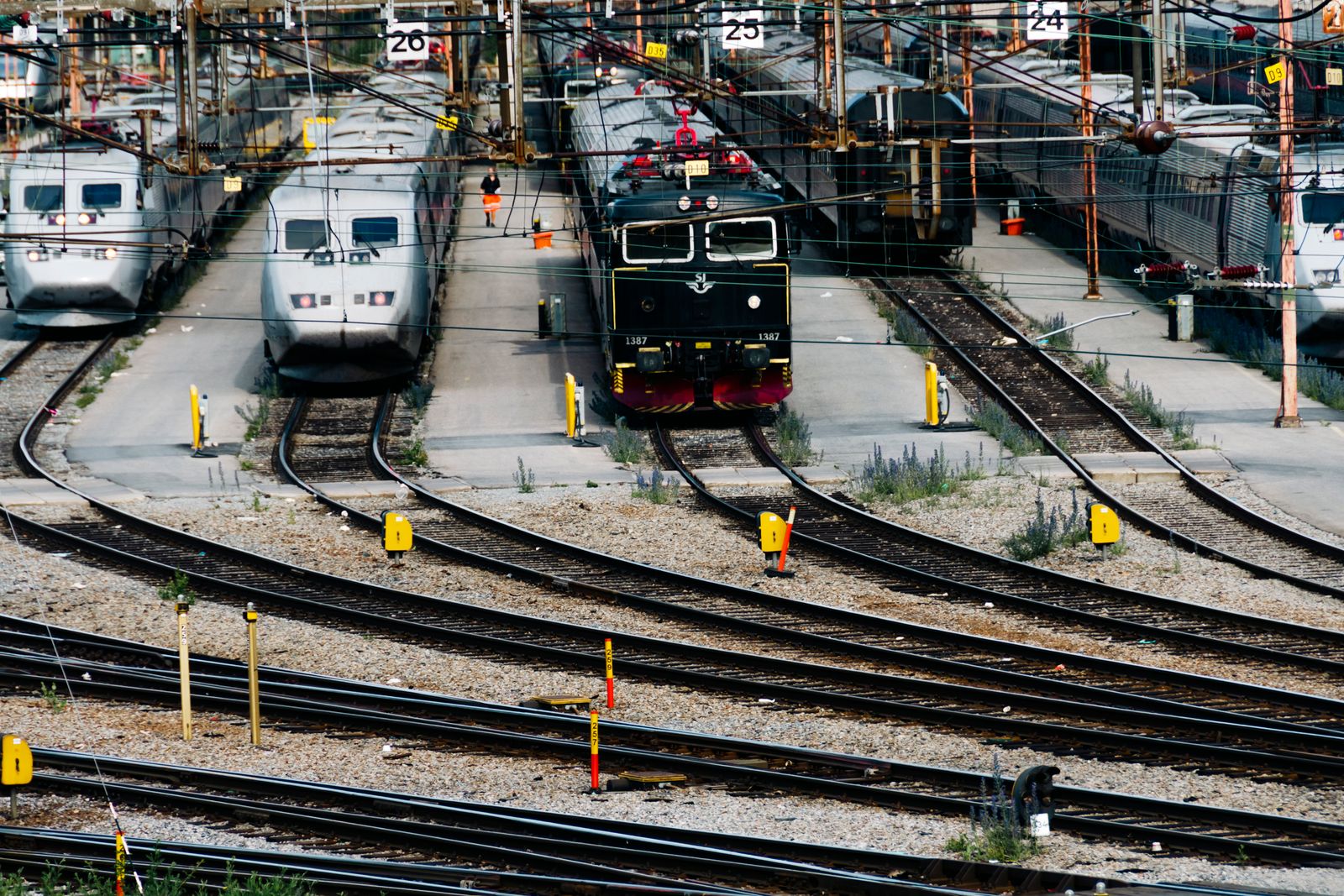
Sweden rewards travellers who use its trains. The national operator SJ runs fast and comfortable services linking Stockholm, Gothenburg and Malmö, and night trains carry you all the way to the Arctic. Regional and night services on some northern routes are run by Vy. Booking ahead online almost always beats buying at the station on the day.
Within Stockholm, the city transport authority SL runs the metro, buses, trams, commuter trains and many of the archipelago ferries on a single ticket system, with handy 24 hour, 72 hour and 7 day visitor passes. Other cities have their own regional operators. For longer distances, FlixBus coaches are cheap, and domestic flights connect the south to the far north quickly if time is short.
Driving
A car is only really needed for remote nature, the inland north or island hopping that the ferries do not cover. Roads are excellent and quiet, headlights must be on at all times, and you should watch for moose and reindeer at dusk, especially in the north. Sweden has strict drink driving limits and frequent speed cameras, so drive conservatively.
Language, safety and practicalities
Swedes speak excellent English, so you will have no trouble communicating. The country is safe, calm and easy to navigate, and tap water is clean and free everywhere. Tipping is not expected, though rounding up for good service is appreciated. Plugs are the European two pin type at 230 volts, so visitors from North America need an adapter.
One thing that surprises many visitors is how much of Sweden is open to everyone. The right of public access, known as allemansrätten, lets you walk, swim and camp across most of the countryside, which shapes the whole experience of travelling here.
Where to start
Most trips begin in Stockholm, spread across fourteen islands, before fanning out to the archipelago, the west coast city of Gothenburg, or the wild north. Whichever route you choose, leave room for a fika, the Swedish coffee and cake ritual that locals treat as sacred.