The heat wave that empties the beaches of the Mediterranean every July is quietly redrawing the map of the European summer. Instead of heading south, a growing number of travellers are heading north, to a country where a hot day rarely lasts a week and a swim in an August lake still comes with goosebumps. Sweden is on course for another record summer of tourism, according to Svenska Dagbladet, which points to the rise of the “coolcation” as part of the explanation. Susanne Andersson, chief executive of the national tourist board Visit Sweden, told the paper that Sweden has an enormous amount to offer.
What a coolcation actually is
A coolcation is simply a holiday chosen for its climate rather than in spite of it. Where a traditional summer trip chases the sun, a coolcation looks for shade, sea breeze and long, mild evenings. The word gained traction as southern Europe recorded hotter and longer heat waves, and it describes a straightforward swap: swap the crowded, sweltering coast for somewhere the thermometer behaves. Sweden fits the brief almost by accident. Its summers are green and long on daylight, yet the average July day in most of the country sits comfortably in the low twenties Celsius, and the far north stays cooler still.
The appeal is not only the temperature. A cool climate keeps you moving. You can hike at midday, paddle a kayak without wilting and sleep without air conditioning, which is why the trend leans so heavily on nature and the outdoors. Below are six parts of Sweden built for exactly that kind of summer, arranged roughly from the water to the mountains.
The Stockholm archipelago
The obvious place to start is the water on Stockholm’s doorstep. The capital sits at the edge of an archipelago of thousands of islands, and a commuter ferry will carry you from the city quay to a bare granite skerry in a couple of hours. The open Baltic keeps the air fresh even in the warmest weeks, and island hopping by scheduled boat is one of the simplest, most affordable ways to feel a long way from anywhere. Our guide to the Stockholm archipelago and how to island hop by ferry covers the routes, the ticket options and which islands suit a day trip versus an overnight stay.
The High Coast
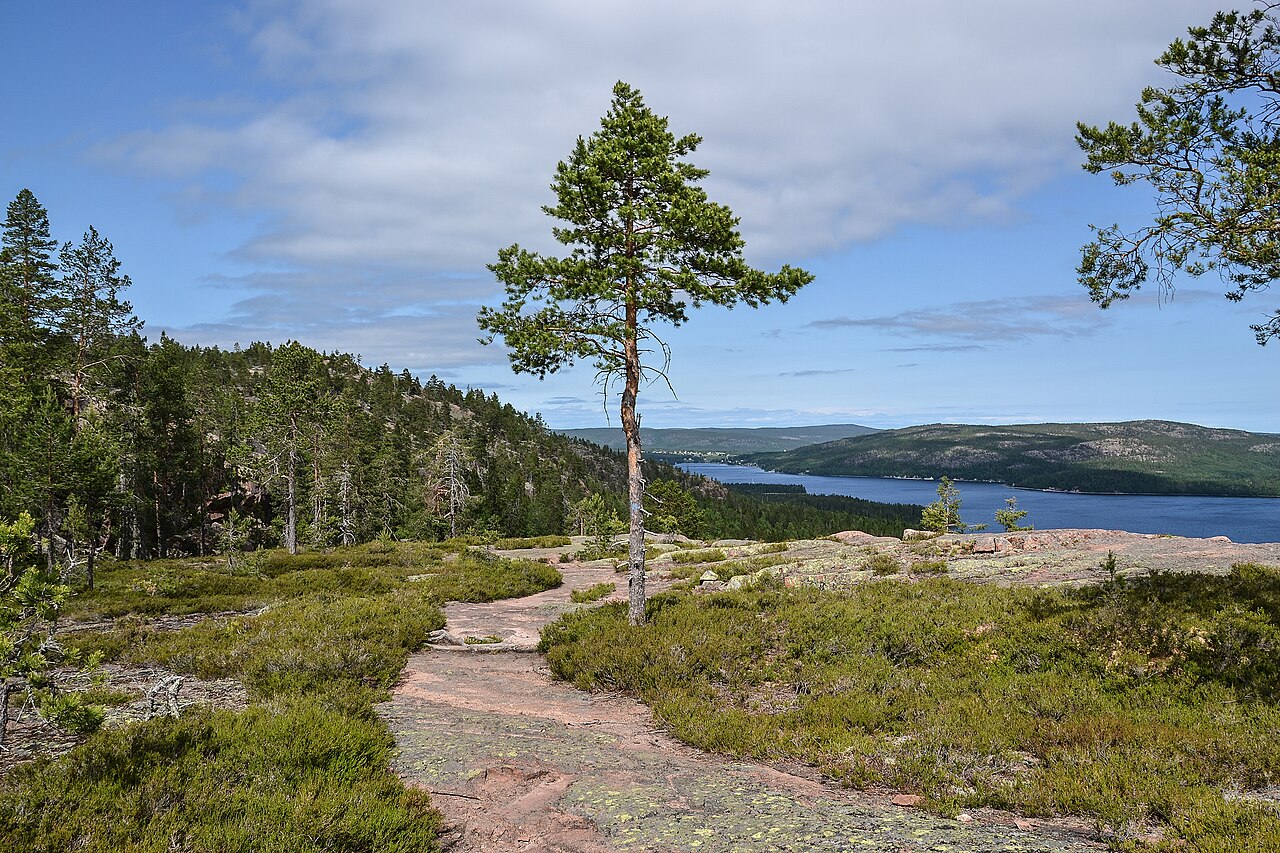
Four hours up the coast from Stockholm, the shoreline lifts out of the sea in a run of forested hills and deep inlets. This is the High Coast, or Hoga Kusten, a UNESCO World Heritage Site recognised for a rare geological quirk: the land is still rising after the last ice age, close to a metre each century, the highest such rebound known anywhere in the world. For a visitor that translates into cliffs, sheltered bays and marked hiking trails with wide views over the Gulf of Bothnia. The water is cool, the crowds are thin, and the light in the evening lasts for hours.
Lakes and forests: Siljan and Dalarna
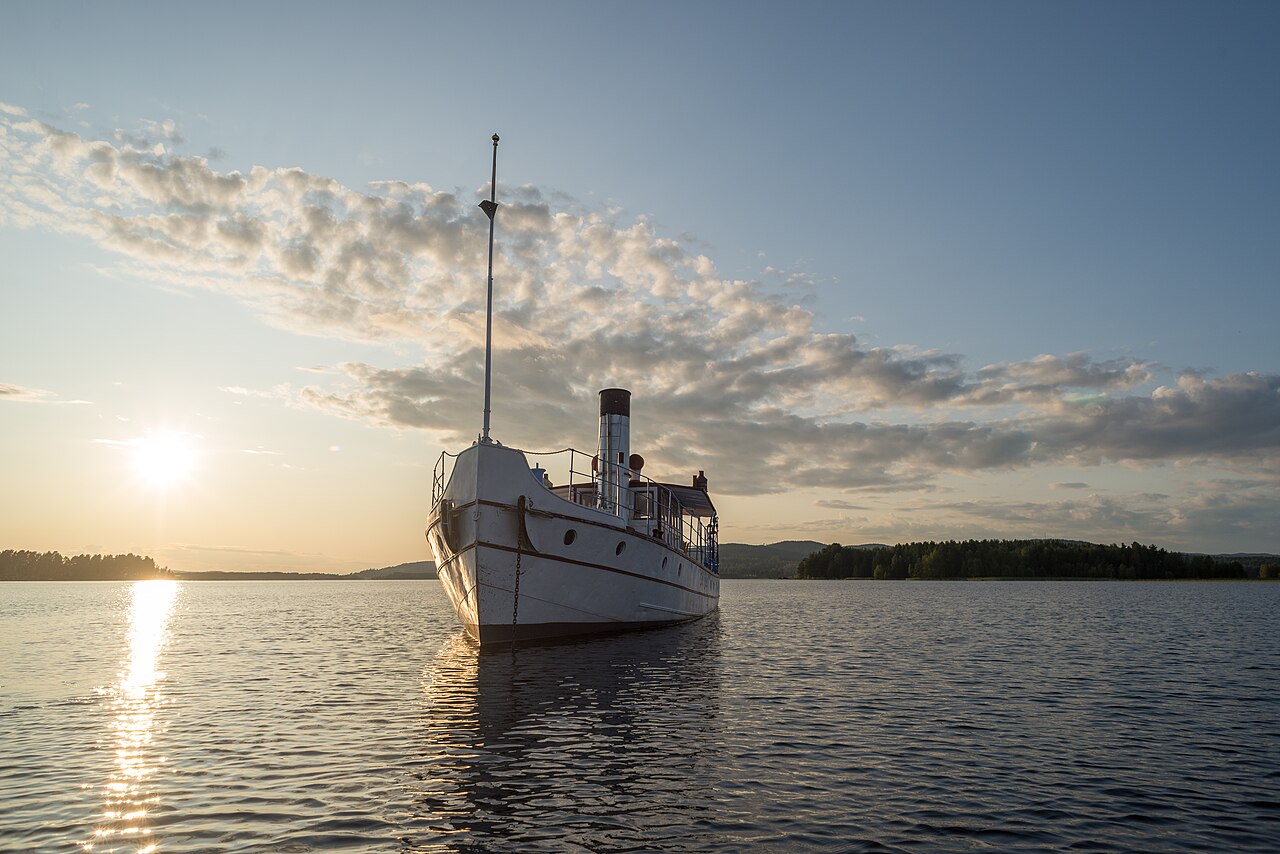
Inland, the cooling comes from fresh water and deep forest. The province of Dalarna, a few hours northwest of Stockholm, is built around Lake Siljan, a broad body of water left by an ancient meteorite impact and ringed by old wooden villages. A swim here is bracing rather than tropical, and the classic way to spend a slow afternoon is aboard one of the vintage steamers that still cross the lake. The region is also the heartland of Swedish midsummer, so if your trip lands in late June you will find the maypoles and flower crowns at their most genuine. You can read more about that in our guide to midsummer and Swedish traditions.
The western seaboard: Bohuslan and Kosterhavet
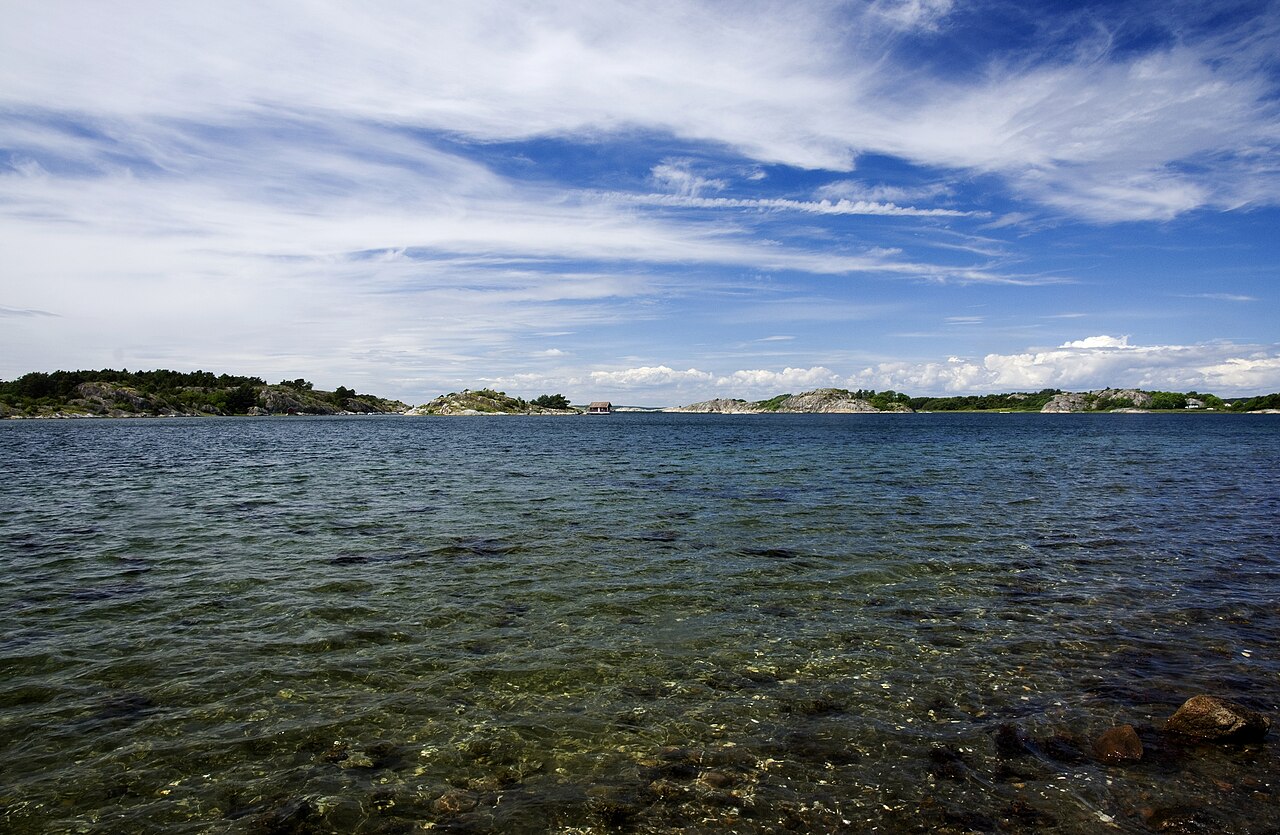
On the far side of the country, the granite coast of Bohuslan runs north from Gothenburg toward the Norwegian border in a maze of smooth rock, fishing villages and clear salt water. At its northern tip lies Kosterhavet, Sweden’s first marine national park, where the water is clean enough to snorkel and the islands are car free. The Atlantic keeps the west coast a degree or two cooler than the inland provinces, and the seafood is a reason to visit in its own right. Our guide to Gothenburg and the west coast sets out how to reach the islands and where the oysters and langoustine come from.
The mountains: Are and Jamtland
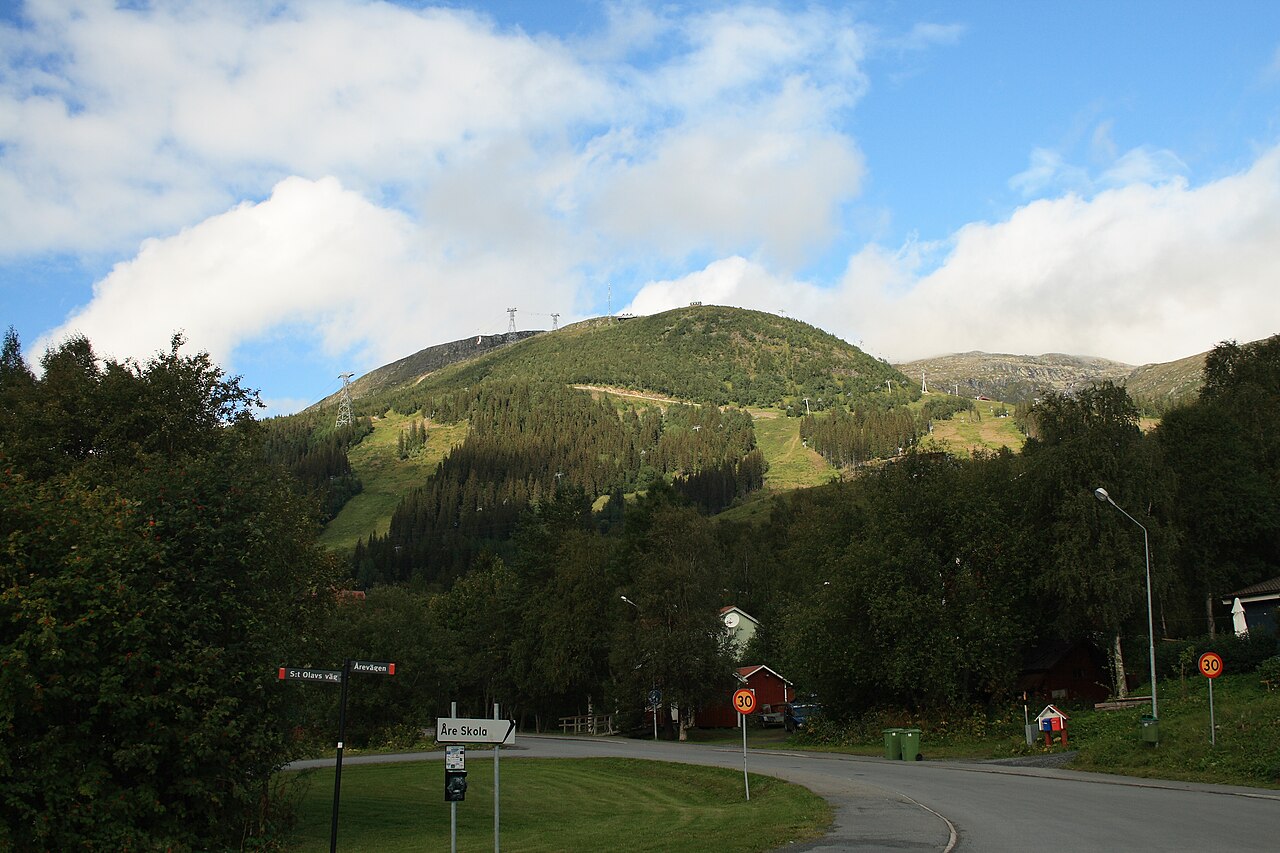
Better known abroad as a winter ski resort, the town of Are in the province of Jamtland turns into a walking and cycling base in summer, when the snow melts off the slopes of Areskutan and the mountain trails open. A cable car saves the climb to the summit, and the surrounding high country of waterfalls, birch forest and open fell is reliably cool. This is the gentler face of the Swedish mountains, well served by trains from Stockholm and easy to reach without a car, which makes it a natural first taste of the alpine north.
The far north: Abisko and Swedish Lapland
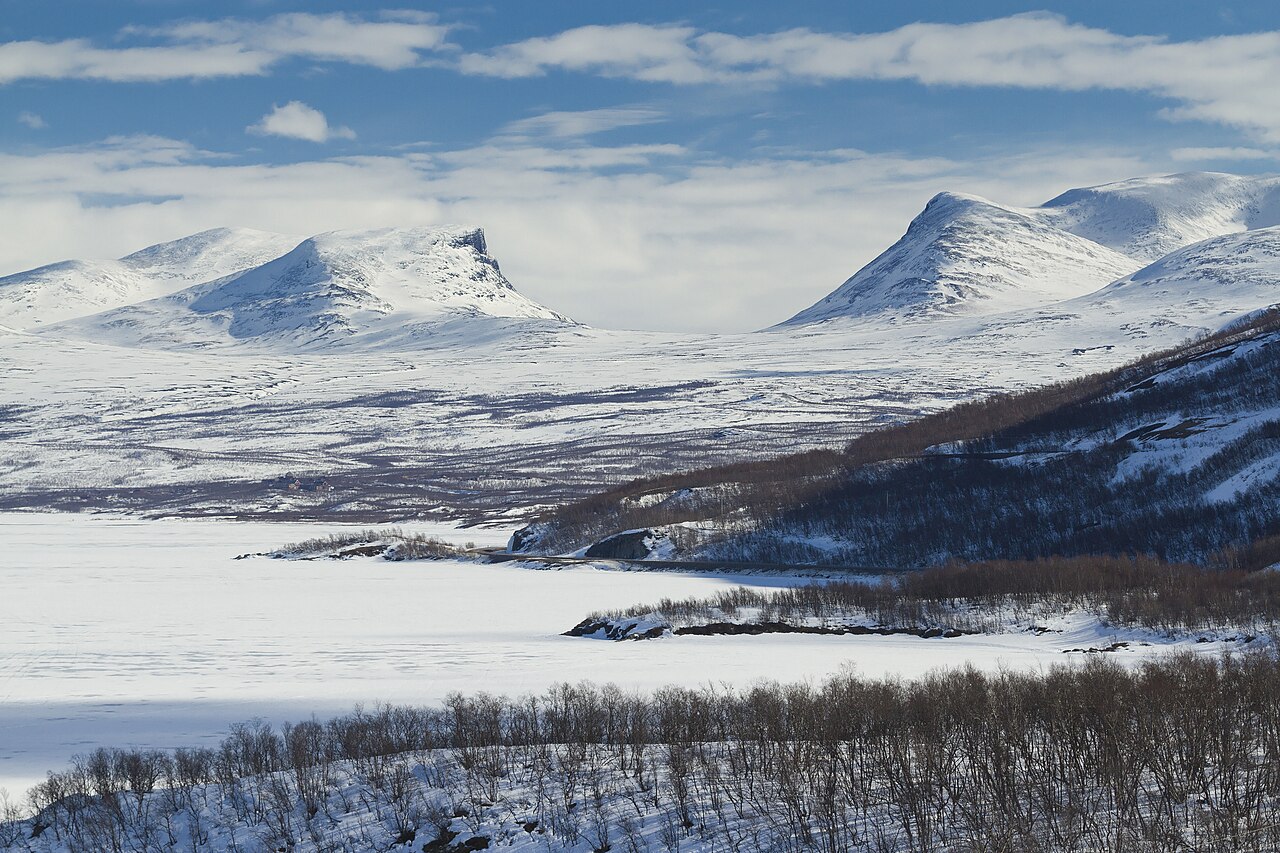
For the coolest air of all, go to the top of the country. Above the Arctic Circle, Swedish Lapland offers something no southern beach can match: a sun that does not set for weeks. Around the village of Abisko the midnight sun keeps the fells lit through the small hours in June and July, and the national park there is the gateway to the Kungsleden, the long distance trail that runs south through some of Europe’s last true wilderness. Nights are genuinely cold, snow lingers on the high peaks into summer, and the same clear skies that draw aurora hunters in winter make for spectacular light in summer. Our guide to Swedish Lapland and the northern lights covers Abisko, Kiruna and how to get there.
Planning a coolcation in Sweden
The practical side is refreshingly simple. The main season runs from June to August, with the longest days around midsummer and the warmest water in late July and early August. Pack layers whatever your plan, because a bright afternoon can turn into a cool, breezy evening within the hour, and bring something waterproof for the mountains and the coast. One of Sweden’s quiet advantages for the outdoor traveller is the right of public access, allemansratten, which lets you walk, swim and camp for a night across most uncultivated land, provided you respect homes, crops and nature. It turns the whole country into somewhere you can explore on foot.
Getting around is straightforward by train, with sleeper services running all the way to the Arctic, and none of these regions demands a car. For the full rundown on timing, budget and transport, start with our guide to planning a trip to Sweden. Whether you spend your coolcation drifting between archipelago islands or watching the midnight sun over a Lapland fell, the appeal is the same: a summer holiday where the weather works with you, not against you.
Last fact-checked: 17 July 2026